


.jpg)
 T. Nashipae
US doctors visit to Eldoret uncovers the need for sporting physicians in Kenya
Reading Time: 5min | Fri. 17.02.23. | 10:09
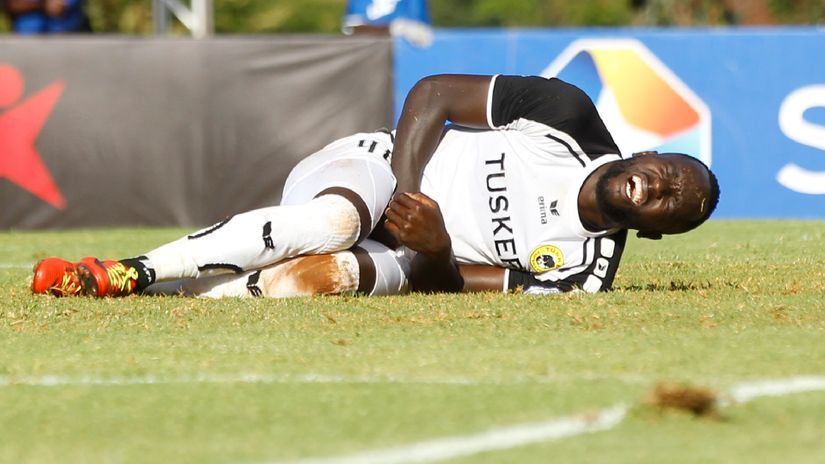
A number of Kenyan athletes have suffered career-threatening injuries which has worsened due to inadequate medical care.
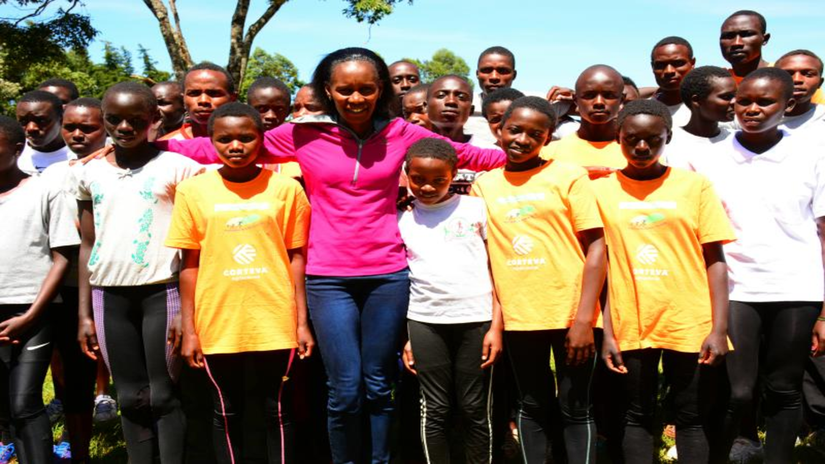
A team of doctors from the United States are in the country for a one-week mission to provide free medical services to athletes. The team is based in Eldoret and Iten, two of the country's athletic powerhouses.
As we observed the doctors give medical care to a sports lady, one of them mentioned the word 'athletic trainer'. A definition of the term revealed that Kenya still has a long way to go in terms of sports medicine and doctors.
Every team in the United States has an athletic trainer who specializes in the management, prevention, and rehabilitation of injured athletes. They are frequently the first medical personnel on the scene after an injury. They must be licensed and certified health care professionals.
According to Running the Race’s team leader Dr. Tracy Ray, physical injuries among Kenyan and US athletes are mostly similar, but there was a difference on the mode of training for management and treatment of the injuries. In Kenya, he said, athletes were being handled by coaches, while in the US they are taken care of by athletic trainers.
Kenya has a few teams with trained first aiders or physiotherapists. According to Moses Muge, an Eldoret-based basketball coach, many athletes were injured but lacked professional care, which he described as expensive and mostly available in private health facilities.
Kenyan coaches, according to Muge, are not well equipped to deal with injuries sustained during training and competitions.
“Most athletes are boys from the neighborhoods. They cannot afford medication, most of them do not have NHIF covers, or NHIF does not cover for some injuries. In Kenya, if you are a coach, you are also a team doctor,” Muge said.
There is no lie. A number of Kenyan athletes have suffered career-threatening injuries both in and out of competition, which has worsened due to inadequate medical care.
While some athletes have overcome the pain of career-threatening injuries, some had their careers cut short by the same. These include former Gor Mahia striker Innocent Mutiso, Solomon Nasio, former 800m and Olympic champion David Rudisha, 3000m steeplechase champion Celliphine Chespol and Malkia Strikers' Trizah Atuka.

Coach Muge was pleased that the sportsmen and women were getting healthcare in form of physical exercise, which would not expose them to unknown doping substances.
“From the medical services, we are learning that it is possible to treat some through physical exercises instead of medicines which can expose young players and athletes to doping.”
According to Michael Dena, a Shoot 4 Life basketballer, many of his teammates dropped out of the season because injuries are expensive to treat, and the basketballers have no medical insurance.
“Many athletes are out of the season because of injuries. It is expensive to treat injuries since many young basketballers have no medical insurance. Coaches occasionally help to pay hospital bills, but at times they have no money,” Dena lamented.
Call for training of sports doctors
The doctors who have been offering free medical services to athletes for the past five years now have reignited the call for training more doctors on sports medicine.
Running the Race also noted that they were in talks with the Kenya Medical Training College to introduce a course on the same, and even take a team to the US to study sports medicine.
“We are also looking to train Kenyans to offer the same level of care when we are not here. Together with our physios, we have visited training camps run by coaches.
We would like to bring some Kenyan physios and physicians to the US to learn sports medicine and come back to provide professional sports medicine and care,” Ray, the team leader said.
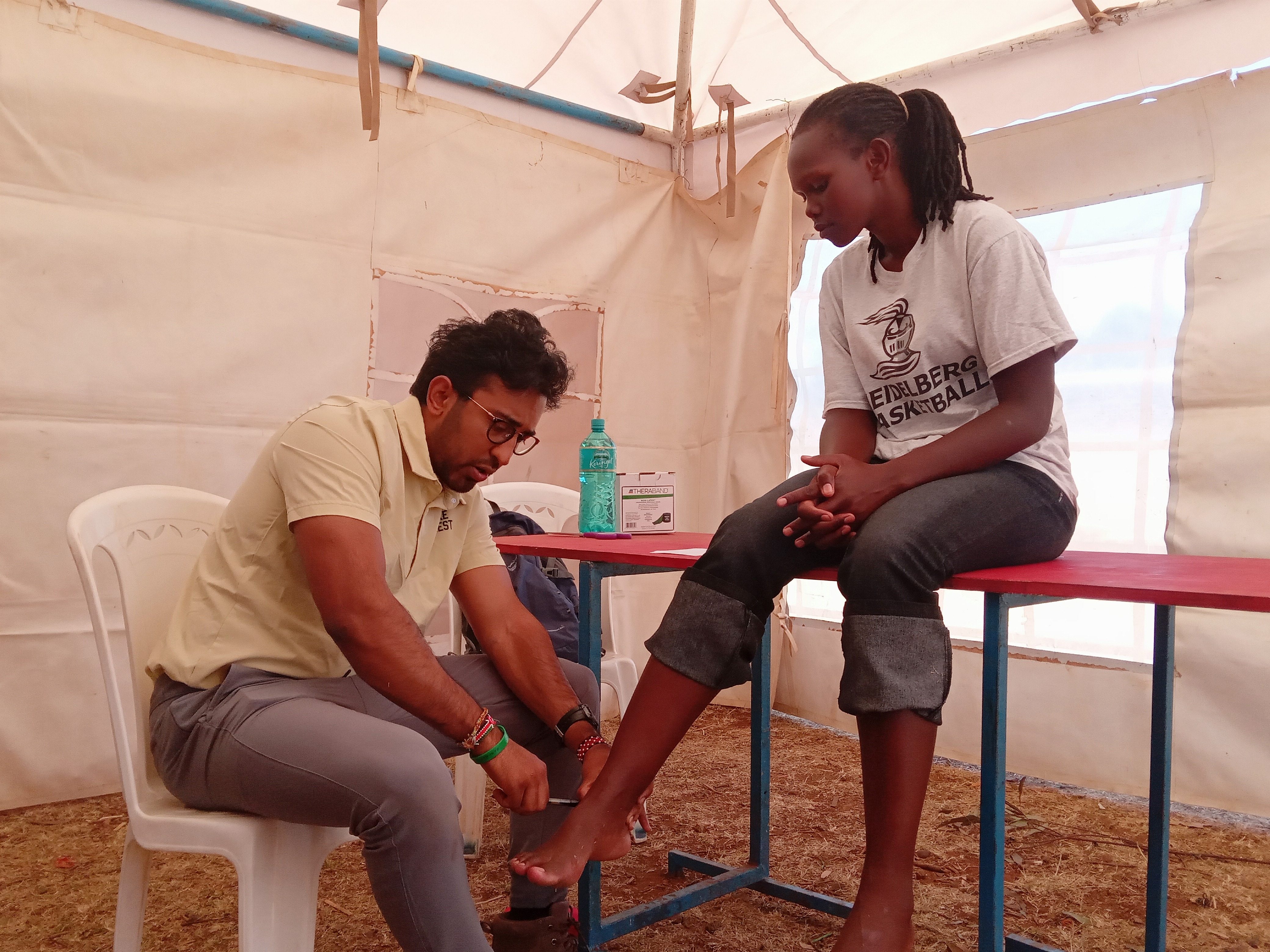
Apart from treating sports people, the six doctors drawn from the University of Georgia and Wake Forest University encourage sportsmen and women to compete clean in addition to preaching the gospel.
Ray of the University of Georgia noted that there was a need for more sports doctors in Kenya, particularly at training bases where the country's top athletes were training.
He also stated that the team of physicians was treating injuries solely with physiotherapy and discouraged the use of medications, which would put athletes at risk of taking drugs containing prohibited substances.
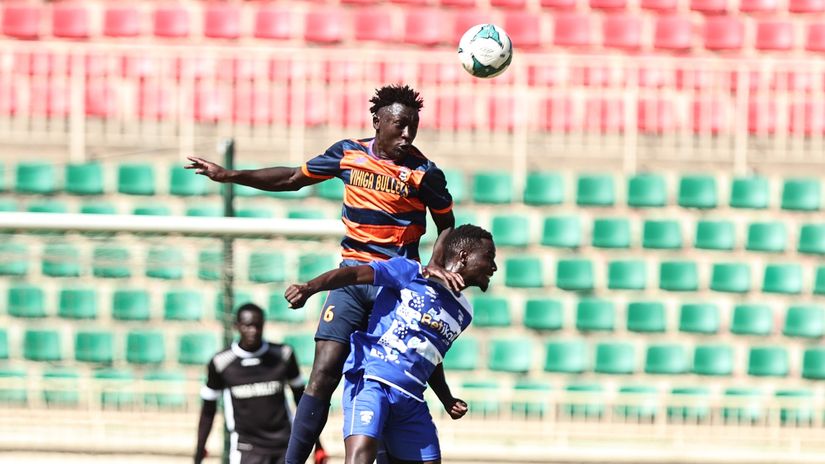
“Our emphasis has been in Iten with the track and road runners and also taking care of athletes in schools, and offering sports medicine and care to other sports such as basketball and soccer among others in Eldoret.
We are also looking to train Kenyans to offer the same level of care when we are not here. Together with our physios, we have visited training camps run by coaches. We would like to bring some Kenyan physios and physicians to the US to learn sports medicine and come back to provide professional sports medicine and care.”

The role of the coaches
Coaches too have a role to play in preventing injuries. Sports expert Dr. Kipchumba Byron encourages coaches to see beyond winning and claiming victories, but also beware of the athletes’ body in order to prevent injuries.
“We are encouraging coaches to see a possibility that when you are having a good program, exercising is critical. It is not just about how many kilometers you are running in a day and what time you are clocking, but what you do with the athlete’s body to prevent injuries,” Dr. Kipchumba told Mozzart Sport.
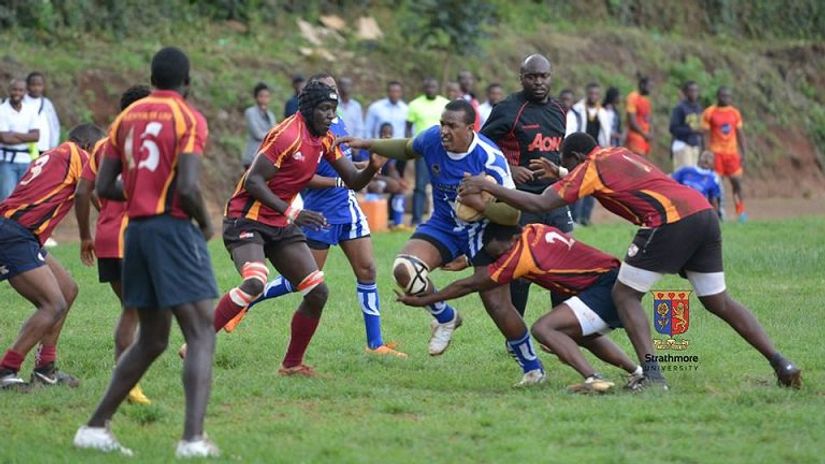
Common injuries across sports:
Ankle sprains
Knee injuries
Back bone injuries
Sprains and strains
Swollen muscles
Achilles tendon injuries
Pain along the shin bone
Rotator cuff injuries.
Fractures (broken bones)
Dislocations